For thousands of years, people across the world have believed in lucky piercings. These are piercings not just for decoration but also for protection, good fortune, and spiritual strength.
Ancient civilizations thought that piercing certain parts of the body could bring luck, ward off evil spirits, or even improve health. Today, piercings are mostly a fashion choice, but their magical and lucky significance continues in some cultures.
Why Ancient Cultures Loved Lucky Piercings
People in ancient times did not have modern medicine or science. They often used symbols, rituals, and body modifications to stay safe and attract positive energy. Piercings were more than a style—they had deep spiritual and cultural meanings.
Some of the most common reasons were:
- Protection from evil spirits
- Bringing good fortune in life
- Sign of bravery and adulthood
- Healing powers for health issues
Popular Piercings and Their Beliefs
Different civilizations had different beliefs about where to pierce and why. Here are some examples:
1. Nose Piercings in India
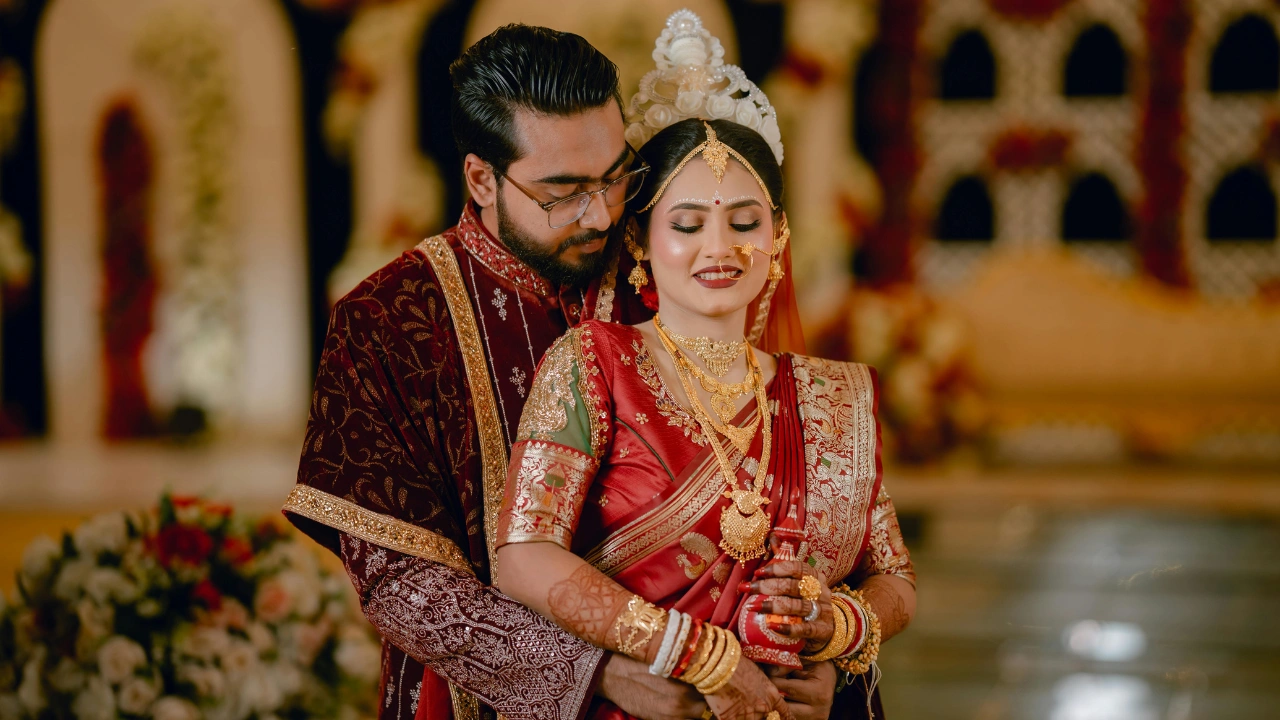
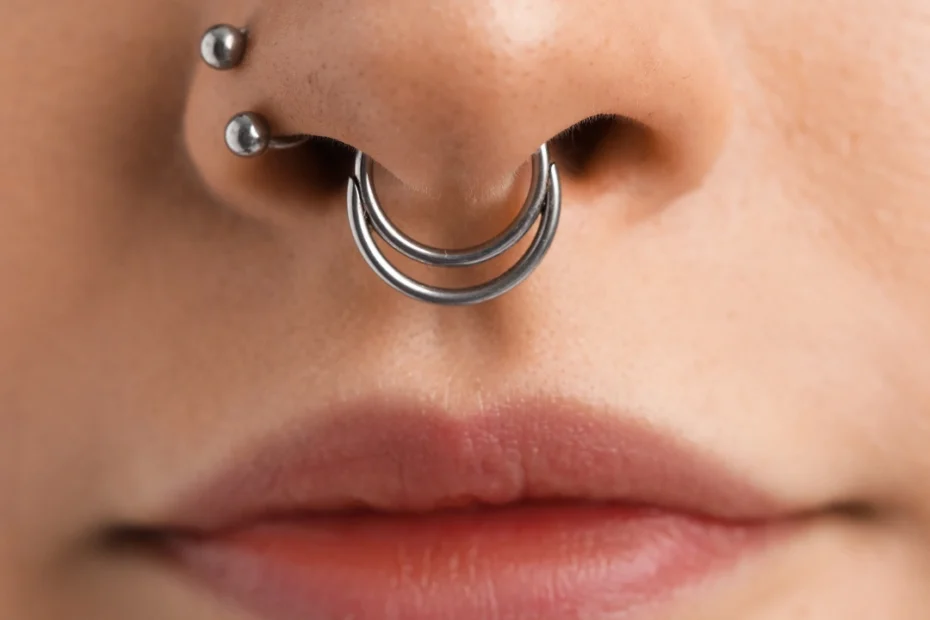
In ancient India, nose piercings were believed to improve a woman’s health, especially reproductive health. They were also considered lucky during marriage and fertility rituals.
2. Ear Piercings in Egypt
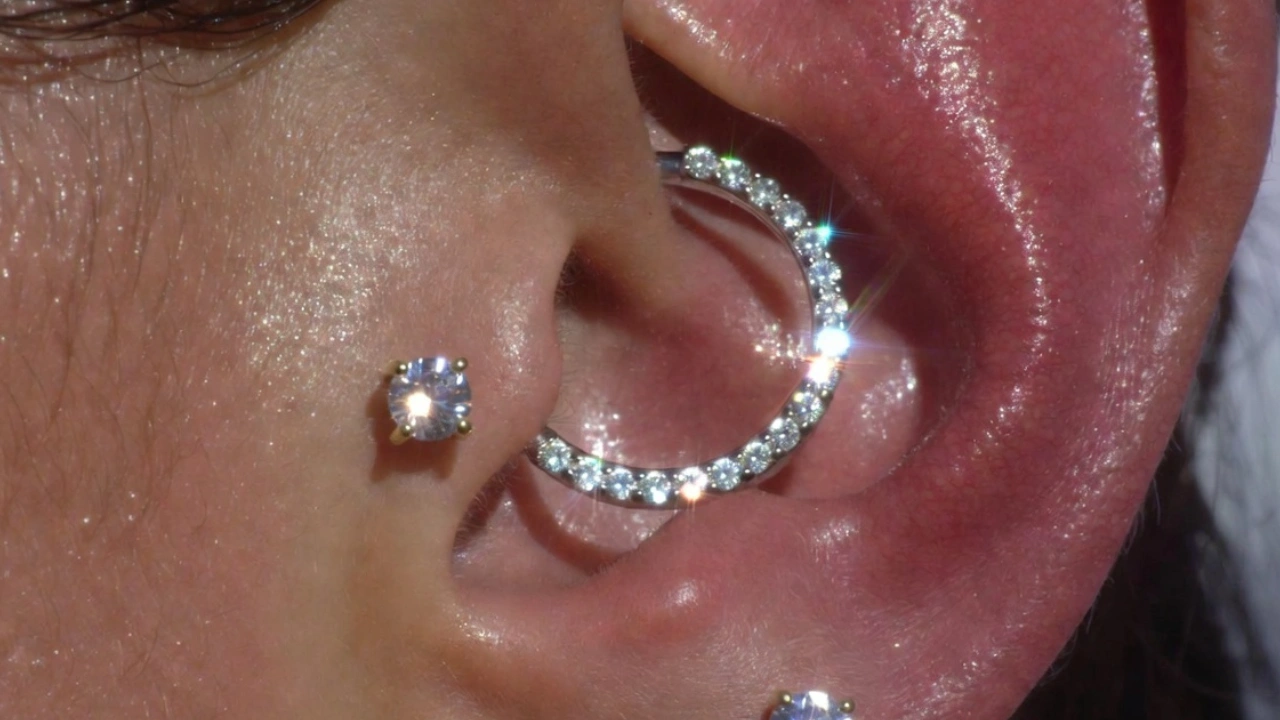
Ancient Egyptians pierced ears to honor the gods and to protect against evil spirits. They also believed pierced ears could enhance wisdom and insight.
3. Navel Piercings in Africa
Some African tribes practiced navel piercings as a symbol of strength and courage. Warriors believed it gave them luck in battles.
4. Lip and Tongue Piercings in South America
In ancient South American civilizations, like the Incas, lip and tongue piercings were used in religious ceremonies to show dedication to the gods. They also believed it helped communicate with spirits.
Lucky Piercings by Civilization
| Civilization | Common Piercing | Believed Purpose |
|---|---|---|
| Ancient India | Nose | Fertility, health, marriage luck |
| Ancient Egypt | Ears | Protection, wisdom, spiritual power |
| African Tribes | Navel | Strength, courage, battle luck |
| Inca Civilization | Lip & Tongue | Religious devotion, spirit contact |
| Native American | Ears & Nose | Tribal identity, luck in hunting |
How Piercings Were Made Safely
Even without modern tools, ancient people had ways to pierce the body safely:
- Using heated needles or bones sterilized in fire
- Applying herbs to reduce pain and prevent infection
- Conducting rituals to bless the piercing
These methods showed how seriously they took the spiritual and lucky aspects of piercings.
Modern Meaning of Lucky Piercings
Today, lucky piercings are mostly fashionable, but some people still believe in their spiritual or protective powers.
Many cultures continue to follow ancient practices, combining tradition with style. Piercings like earrings, nose rings, or belly button rings are often chosen for personal meaning or luck, not just beauty.
Lucky piercings have been a part of human culture for thousands of years. From ancient India to South America, people believed piercings could protect, heal, and bring good fortune.
Even in modern times, these practices remind us of the deep connection between culture, body, and spiritual belief. Wearing a piercing can be more than a fashion statement—it can carry a rich history of luck and tradition.
FAQs
Q1: Are lucky piercings still meaningful today?
Yes, some people still wear piercings for spiritual or protective reasons, while others enjoy them as fashion.
Q2: Which piercing is considered the luckiest?
It depends on culture. Nose piercings in India and ear piercings in Egypt were historically seen as very lucky.
Q3: Were piercings painful in ancient times?
Yes, but ancient civilizations used herbs, fire, and rituals to reduce pain and prevent infection.
Related Posts