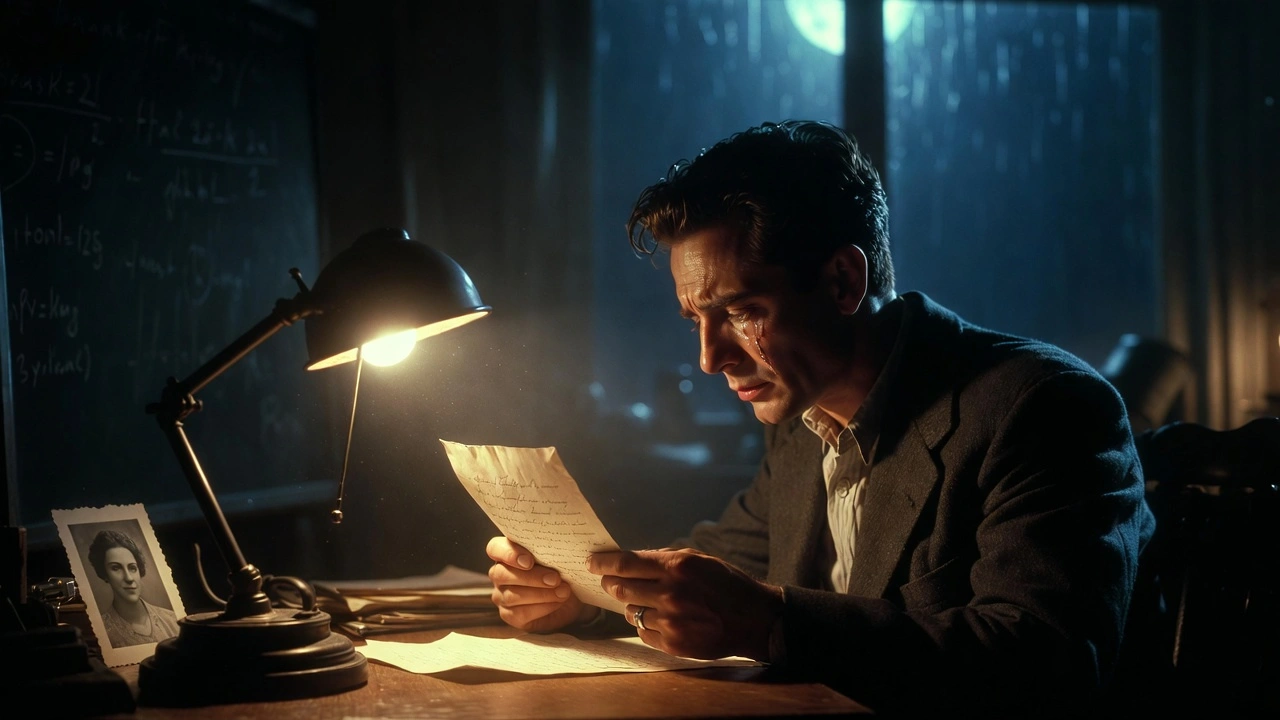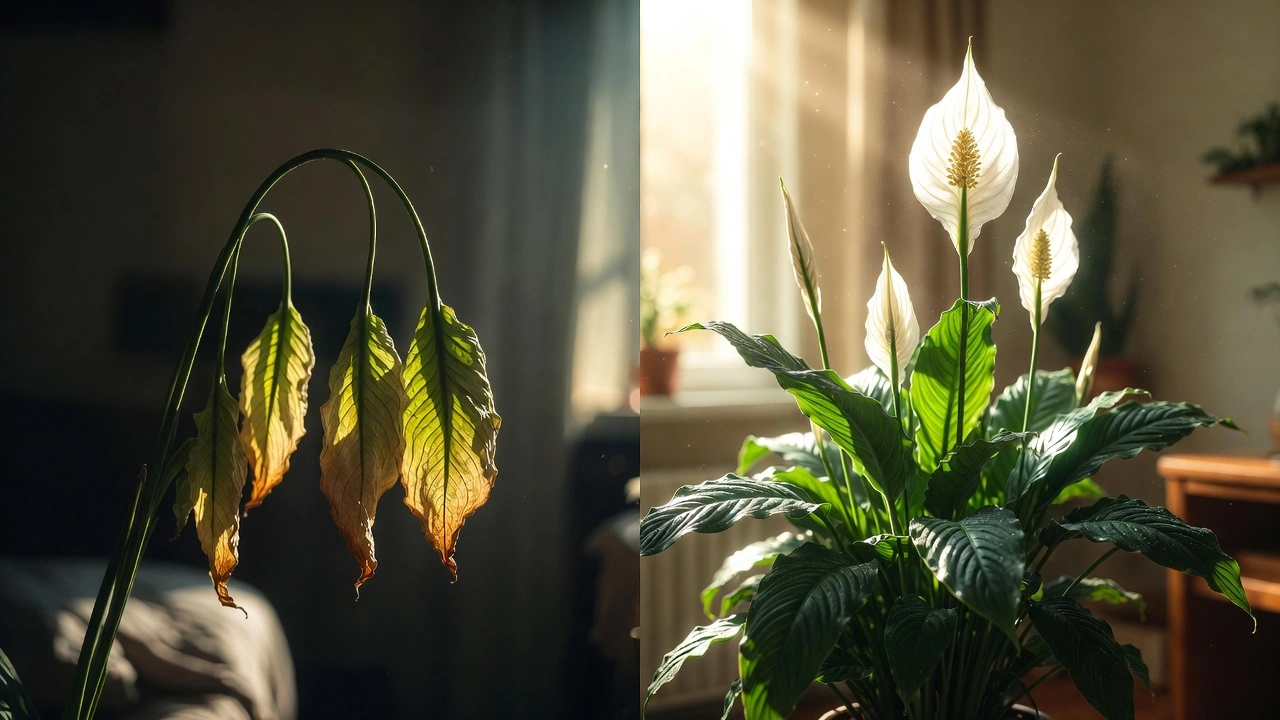
After spending 30 years working double shifts, raising four children, and managing a busy household, retirement is supposed to feel like a reward. You imagine peace, rest, and freedom. No alarms. No rush. No deadlines.
But what happens when that long-awaited quiet becomes almost too loud? What if the silence feels heavier than the busy life you once complained about?
This is a real and emotional look at retirement life after raising a family. It is about the part nobody talks about — the identity shift, the quiet house, and learning who you are when you are no longer needed every minute.
The Sound of Silence After Retirement
For decades, the house was full of noise. Slamming doors. Homework arguments. Soccer practice schedules. Family dinners. Laughter. Chaos.
Then one day, it changed.
The children grew up. They moved out. They built their own lives.
Now the house is quiet enough to hear:
- The grandfather clock ticking in the hallway
- The kitchen clock above the stove
- Even the small clock in the guest bathroom
This is something many people experience after retirement and empty nest life. The silence feels different. It is not peaceful at first. It feels unfamiliar.
A Life Built on Hard Work and Responsibility
She worked in Human Resources for 32 years, slowly growing into a leadership role. At work, she solved problems and handled conflicts. At home, she was the planner, the organizer, and the one everyone depended on.
Her overtime shifts paid for:
- College education
- Braces
- Sports equipment
- Prom dresses
- Car insurance
Every extra hour worked meant a better future for her children. She believed retirement would be the reward.
Financially, she was ready. Emotionally, she was not.
The Emotional Side of Retirement Nobody Mentions
When people plan for retirement, they talk about money. Savings. Pension. Investments. Social Security.
But no one talks about how your identity changes.
Here is a simple comparison:
- Before Retirement
- Busy daily schedule
- Constant responsibility
- Feeling needed
- Solving problems
- After Retirement
- Long quiet afternoons
- No urgent tasks
- Feeling optional
- More time than structure
The hardest part was not stopping work. It was losing the feeling of being essential.
Her children now manage their own lives. They make decisions without asking for help. That is success in parenting — but it can feel like being replaced.
When Being Needed Becomes Your Identity
For many parents and professionals, being needed becomes part of who they are. When that disappears, it creates confusion.
She tried to fill the space by:
- Reorganizing the house
- Starting new hobbies
- Volunteering at the library
But she realized she was staying busy just to avoid feeling unimportant.
This is common in retirement adjustment and empty nest syndrome. When life slows down, you meet yourself without distraction.
Learning to Find Yourself Again
After two years of struggle, she learned something powerful.
The problem was not the silence.
The problem was that she never learned who she was outside of her roles.
Now she wakes up early, not because someone needs breakfast, but because she wants to walk her dog while the morning is calm. She reads books without interruption. She enjoys long conversations with her husband without rushing.
She discovered that:
- Purpose is not only about productivity.
- Worth is not based on how many problems you solve.
- Peace is a form of success.
The Unexpected Gift of Letting Go
Her adult children now parent differently than she did. At first, that was difficult to accept. But she realized something important — different does not mean wrong.
She no longer carries the weight of everyone’s outcomes.
Instead of being responsible, she is present.
When her grandchildren visit, she can simply enjoy them. No pressure. No control. Just love.
That freedom feels lighter.
Understanding Retirement in a New Way
Retirement is not just the end of a career. It is the beginning of self-discovery.
Yes, it may feel like grief at first. You might miss the busy version of yourself. But slowly, something changes.
You begin to hear your own thoughts. You understand your own preferences. You discover your own rhythm.
The ticking clocks no longer feel like reminders of emptiness. They feel like reminders of time — and time means opportunity.
Retirement after raising four children and working for decades can feel surprisingly emotional. The quiet house may seem uncomfortable in the beginning. You might even question whether all the effort was worth it. But the true reward of retirement is not just rest — it is rediscovery.
This stage of life gives you something you never had before: space. Space to breathe. Space to think. Space to know yourself beyond your responsibilities. Your value is not measured by how busy you are or how many people depend on you.
It is measured by your peace, your presence, and your ability to live without constant pressure. The quiet house is not empty. It is full of possibility. And sometimes, the greatest gift is finally having the time to listen to your own life.
FAQs
1. Is it normal to feel lonely after retirement?
Yes, it is very common. Many people feel a loss of routine and purpose when they stop working or when children move out.
2. What is empty nest syndrome?
It is the emotional feeling parents experience when their children leave home. It can include sadness, loneliness, and identity confusion.
3. How can retirees find new purpose?
They can explore hobbies, build friendships, stay physically active, volunteer with intention, and focus on personal growth rather than just staying busy.
Related Posts