If you have ever owned a spider plant, you know how easy and friendly it is. It is often the first plant people bring home because it survives almost anything.
That was true for me too. For years, I kept cutting off the baby plants (called spiderettes) and growing new ones in different pots. My home slowly filled with small spider plants.
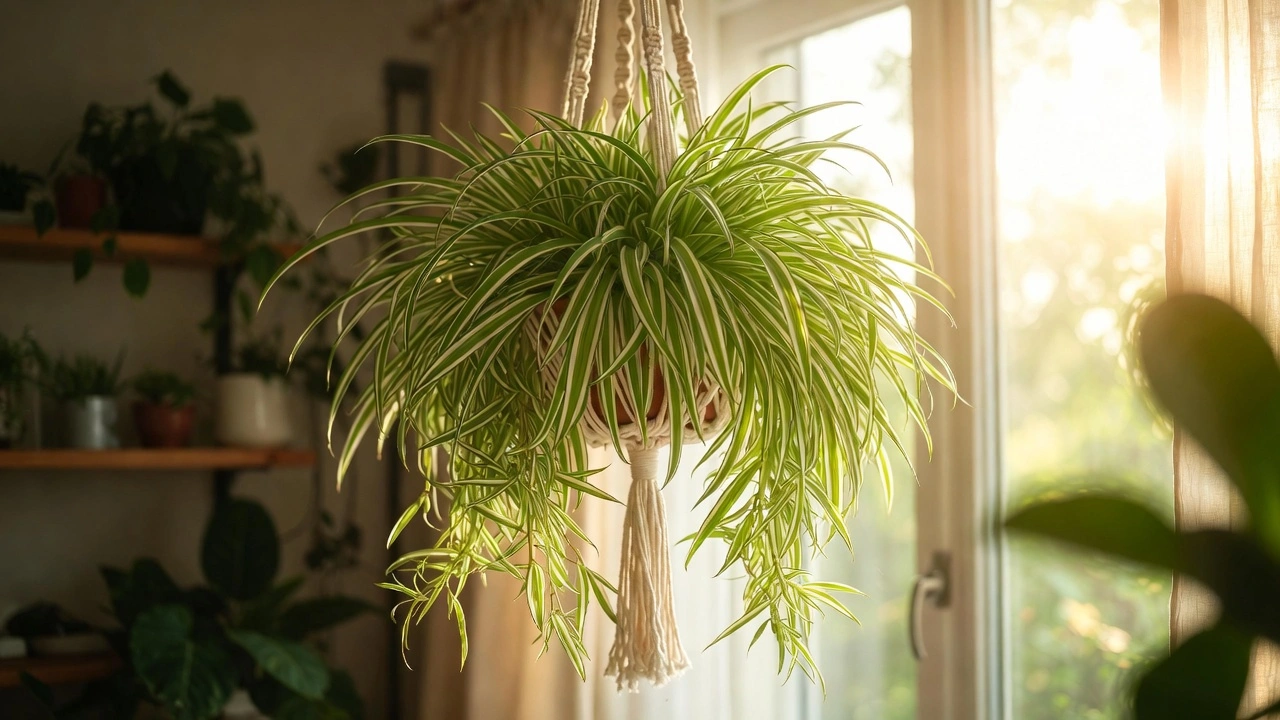
But one day, I decided to stop cutting the baby plants. I let them hang freely from the mother plant. That simple decision changed everything. What was once an ordinary houseplant turned into a beautiful, cascading green display that always catches attention.
If you want your spider plant to look full, dramatic, and eye-catching, here are 3 easy tips that helped me grow mine into a statement piece.
Understanding the Spider Plant
The most popular variety is Chlorophytum comosum, also known as the classic spider plant. It grows long, thin leaves with green and white stripes. When it is happy, it produces long stems with tiny baby plants at the end. These babies are called spiderettes or “pups.”
Most people remove these pups to grow new plants. But if you let them grow and place the pot in a raised or hanging position, they create a natural hanging garden effect.
Tip 1: Provide Plenty of Bright, Indirect Light
One of the biggest secrets to growing more spiderettes is bright indirect light.
Why Light Is Important
Spider plants can survive in low light, but they will not produce many babies there. I noticed a big difference when I placed my plant near a bright window. The one on my sunny windowsill produced more stems and spiderettes compared to the one sitting in a darker corner.
Bright light also encourages:
- Small white flowers in spring
- Faster growth
- Stronger, greener leaves
What Type of Light Is Best?
- Bright but indirect sunlight
- Near east- or north-facing windows
- Filtered light through curtains
Avoid strong afternoon sun, especially from a south-facing window. Too much direct sunlight can burn the leaves and turn the tips brown.
If your home does not get enough natural light, you can use a grow light to support year-round growth.
Tip 2: Maintain Consistent Watering and Moisture
If your plant is growing spiderettes, it needs steady moisture.
How Much Water Does a Spider Plant Need?
Spider plants prefer soil that is:
- Lightly moist
- Not completely dry
- Not waterlogged
When the soil becomes too dry, growth slows down and leaf tips turn crispy. When overwatered, roots may rot.
I personally use a soil moisture meter to check when my plant needs water. It helps avoid guesswork.
Watering Guide Table
| Condition | What To Do |
|---|---|
| Top 1 inch soil dry | Water lightly |
| Soil very dry | Water thoroughly |
| Soil soggy | Let it dry before watering again |
| Hot summer weather | Check soil daily |
In hot weather, especially near windows or radiators, the soil dries faster. Sometimes you may need to water more often.
You can also use a self-watering hanging planter to maintain consistent moisture.
Tip 3: Avoid Over-Fertilizing
Many people think fertilizer makes plants grow faster. But with spider plants, less is more.
Do Spider Plants Need Fertilizer?
They are naturally hardy and do not need frequent feeding. I rarely fertilize mine, yet it still produces many spiderettes.
If you choose to fertilize:
- Use a diluted houseplant fertilizer
- Apply only during spring and summer
- Follow instructions carefully
Too much fertilizer can:
- Burn the roots
- Stop spiderette production
- Damage the mother plant
An occasional light feeding is enough to keep the plant healthy.
How to Create a Cascading Spider Plant Display
Once your plant starts producing spiderettes:
- Place it in a hanging planter or on a raised shelf.
- Allow the baby plants to grow freely.
- Rotate the pot occasionally for even growth.
- Trim only when overcrowded.
When the plant becomes too full, you can prune a few spiderettes and propagate them again. This keeps the mother plant healthy and helps you grow more plants.
Benefits of Letting Spiderettes Hang
- Creates a natural decorative display
- Makes your home look lively
- Requires very little maintenance
- Produces new plants easily
- Improves indoor air quality
It is one of the easiest ways to turn a simple plant into a statement piece without spending money on fancy décor.
Growing a cascading spider plant display is easier than most people think. You do not need expert gardening skills or expensive tools. By simply giving your plant bright indirect light, maintaining consistent watering, and avoiding over-fertilizing, you can transform a basic houseplant into a stunning green waterfall.
Letting spiderettes hang freely changes the entire look of the plant and makes it a beautiful focal point in your home. With patience and simple care, your spider plant can become a lush, eye-catching feature that everyone admires.
FAQs
1. How long does it take for a spider plant to grow spiderettes?
If the plant gets enough light and proper care, it may start producing spiderettes within a few months during the growing season.
2. Should I cut off spiderettes or let them hang?
If you want a dramatic hanging display, let them hang. If you want more plants, you can cut and propagate them.
3. Why are the tips of my spider plant turning brown?
Brown tips usually happen due to overwatering, underwatering, or too much direct sunlight.
Related Posts